Every dog develops at their own pace, and true development happens in stages—not timelines. Puppies, adolescents, and young adult dogs each experience unique emotional and behavioral shifts, and understanding these changes helps build confident, well-adjusted companions.
Early life stages are when habits form, social skills develop, and confidence begins to grow. Supporting dogs during these formative periods means balancing exploration with structure, providing positive experiences, and meeting each dog where they are—not where we expect them to be.
Early Puppyhood
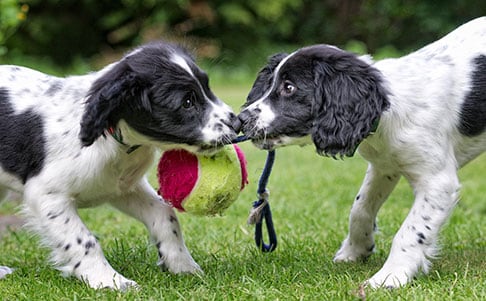
The first months of a puppy’s life are some of the most influential they’ll ever experience. During this stage, puppies are forming their core beliefs about the world—what feels safe, what feels scary, and how they respond to new experiences. While this often happens early, some puppies progress faster than others, depending on genetics, environment, and early exposure.
Age Range
8 to 12 weeks.
Common Behaviors
Every puppy is different, but at this stage, you might start seeing:
- Curiosity mixed with uncertainty
- Sudden fear responses to normal sights and sounds
- Short attention spans
- A strong need for reassurance
- Early social play behaviors
- Difficulty regulating emotions
Developmental Priorities and Goals
Early puppyhood is one of the most influential learning windows in a dog’s life. Research from Scott and Fuller’s foundational puppy socialization studies shows that positive exposure to new environments, textures, sounds, people, and other dogs during this stage helps build lifelong confidence and emotional resilience and can prevent fear-based behaviors later in life.
Helpful focus areas and overall goals during this stage include:
- Building confidence and trust through positive exposure and gentle guidance
- Enhancing social skills through structured, supervised socialization
- Providing positive exposure to new environments, experiences, and common stressors
- Setting expectations with short, positive training moments
- Encouraging curiosity and adaptability in safe, supportive environments
- Establishing daily routines through consistency, structure, and predictability
- Developing emotional resilience and self-soothing skills through gentle, fear-free experiences
How We Support This Stage
Our Puppy Socialization Preschool focuses on structured, positive conditioning that helps set puppies up for long-term emotional health and smoother transitions into daycare, training, and boarding.
Instead of overwhelming puppies, we gently introduce them to the world in a way that feels safe and encouraging. This includes exposure to grooming equipment, bathing tubs, blow dryers, different floor textures, and even their future boarding suites. After graduating from our Puppy Preschool, puppies often move into playgroups with other young adult dogs, where they continue learning social cues, boundaries, and confidence.
We also prioritize healthy social development. Puppies learn critical communication skills through supervised play, while still receiving plenty of one-on-one human attention. Our team watches closely for signs of overstimulation, fear, or fatigue, offering breaks whenever needed. Not every puppy wants nonstop play—and that’s okay. Some just want to sniff, observe, or relax, and we happily follow their lead.
For many pet parents, this stage is a gradual transition. It’s common for dogs to continue building confidence in preschool, often through 2–3 consecutive 8-week sessions, before moving into our small-group daycare. This allows each dog to develop the social skills, emotional readiness, and comfort level needed to fully thrive in a group setting at their own pace.
Adolescence
This stage often surprises owners. Puppies may look grown, but they’re still developing rapidly as energy levels climb, confidence rises, independence grows, curiosity skyrockets, and new behaviors start to emerge.
Age Range
4 to 18 months.
Common Behaviors
At this stage, you might start seeing:
- Testing boundaries
- Bursts of high energy
- Selective listening
- Clear temperament indicators
- New fears emerge
- Increased confidence and exploration
- Excitement that can tip into overstimulation
Developmental Priorities and Goals
This stage is crucial for shaping impulse control, leash manners, and emotional regulation. It’s also prime time to channel that increased confidence, energy, and enthusiasm into healthy outlets.
Helpful focus areas and overall goals during this stage include:
- Encouraging emotional regulation through calm leadership and predictable routines
- Reinforcing impulse control through structured training and clear expectations
- Enhancing social skills through continued, positive social experiences
- Developing leash manners through structured walks and guided exploration
- Providing mental enrichment through problem-solving activities and training games
- Strengthening social confidence through controlled group play
- Encouraging independence and curiosity through confidence-building exploration
How We Support This Stage
Dogs in this stage benefit from balanced outlets for energy, continued socialization, and structured learning. We have several tailored programs to support holistic development, including focus on reinforcing polite behaviors, enhancing leash skills, and strengthening impulse control, all while keeping learning fun and stress-free.
For dogs craving adventure, our Hike for Paws program offers leashed, guided outdoor experiences with a trainer. Some dogs are ready to explore every trail, while others prefer slower strolls filled with sniffing and discovery. We let dogs set the pace. If a pup becomes overwhelmed, we pause, redirect, or simply enjoy a calm walk together.
Young Adulthood
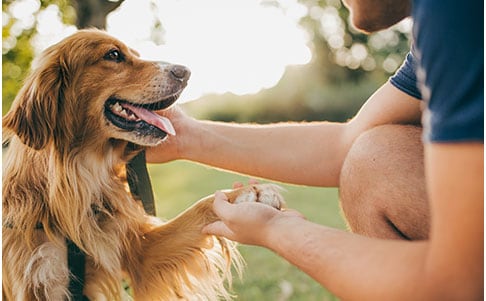
Young adult dogs often settle into their personalities, but they still need guidance, enrichment, and balanced routines. Many dogs in this stage thrive on activity and social interaction, while others begin preferring calmer experiences.
Age Range
1 to 4 years.
Common Behaviors
This stage is often marked by confidence and curiosity. Dogs in young adulthood are usually eager to explore, learn, and engage—but they still benefit greatly from structure, enrichment, and emotional guidance.
Every dog develops at their own pace, but at this stage, you might start seeing:
- Stronger social preferences
- Clear play styles and preferences
- High endurance and stamina
- Greater confidence in new environments
- Increased independence
- Strong curiosity and exploration
- Developing impulse control
Developmental Priorities and Goals
This is the perfect stage for adventure, skill-building, and ongoing enrichment. While dogs may seem “fully trained,” consistent mental stimulation and social engagement help prevent boredom, anxiety, and behavioral regression.
Helpful focus areas and overall goals during this stage include:
- Encouraging social confidence and connection through structured group play and positive social engagement
- Supporting adventure and curiosity through outdoor exploration and guided excursions
- Reinforcing learned skills through structured training refreshers and ongoing practice
- Providing mental stimulation through enrichment activities and problem-solving challenges
- Channeling energy productively through balanced physical activity and purposeful movement
- Strengthening leash manners through guided walks and real-world training opportunities
- Building confidence and independence through exploration and novel experiences
How We Support This Stage
At this stage, dogs thrive when their days are intentionally balanced between activity, learning, social connection, and meaningful rest.
Our small-group daycare is designed to keep dogs mentally engaged and physically fulfilled, without tipping into overstimulation. Our approach blends enrichment, training, exploration, and relaxation into a well-rounded routine that supports both emotional and physical well-being.
From structured group play and enrichment activities to individualized training refreshers and calm downtime, each experience is carefully curated based on the dog in front of us. We pay close attention to energy levels, social preferences, and emotional cues, adjusting the day as needed to ensure every dog feels comfortable, confident, and supported.
Supporting Growth Through the Early Years
Early life stages are filled with discovery, learning, and rapid development. With the right balance of structure, enrichment, socialization, and individualized care, dogs can build the confidence and emotional resilience that carry them through the rest of their lives.
In our next guide, we explore how to support dogs as they move into adulthood and beyond—where routines deepen, needs evolve, and thoughtful care helps dogs continue to thrive.
At Room for Paws Pet Resort, our programs are designed to support dogs through every step of this journey. By focusing on each dog’s unique personality and developmental stage, we help them grow into confident, balanced companions.
Whether you’re starting with puppy preschool, exploring training, booking daycare, or planning for all-suite boarding, we’re here to support every stage of your dog’s life. Reach out today to schedule a tour, ask questions, or get your pup signed up—we can’t wait to welcome you into the Room for Paws family!